

Medically reviewed by Dr. Samir Pancholi, Double Board-Certified Cosmetic Surgeon, on June 25, 2026
Most people researching fat transfer breast augmentation spend a lot of time looking at the “right after” photos and almost none looking further down the road. That makes sense. The immediate results are exciting, easy to find online, and satisfying to compare.
But surgery isn’t a one-week decision, it’s a years-long one, and the question that actually matters most rarely gets asked out loud: what does this look like once the excitement wears off and life happens in between?
Unlike breast implants, which follow a fairly predictable maintenance clock, fat transfer results are woven into your own biology. Your body is doing the heavy lifting here, which means your results age alongside you, shaped by your weight, your metabolism, and the natural passage of time. That’s not a downside, just a different kind of commitment than choosing a device.
This guide takes the long view. We’ll cover what actually happens to transferred fat in the months after surgery, what a realistic five-year picture looks like, the everyday factors quietly influencing how well results hold up, and what patients tend to see a full decade later.
We’ll also weigh fat transfer against implants when it comes to long-term staying power. Think of this as the conversation that usually happens years into a surgeon-patient relationship, just moved up to before you’ve even booked a consultation.
The First Year: Settling In Before Settling Down
Long-term results don’t start at year five, they start in the operating room, so it’s worth rewinding to understand the groundwork being laid early on.
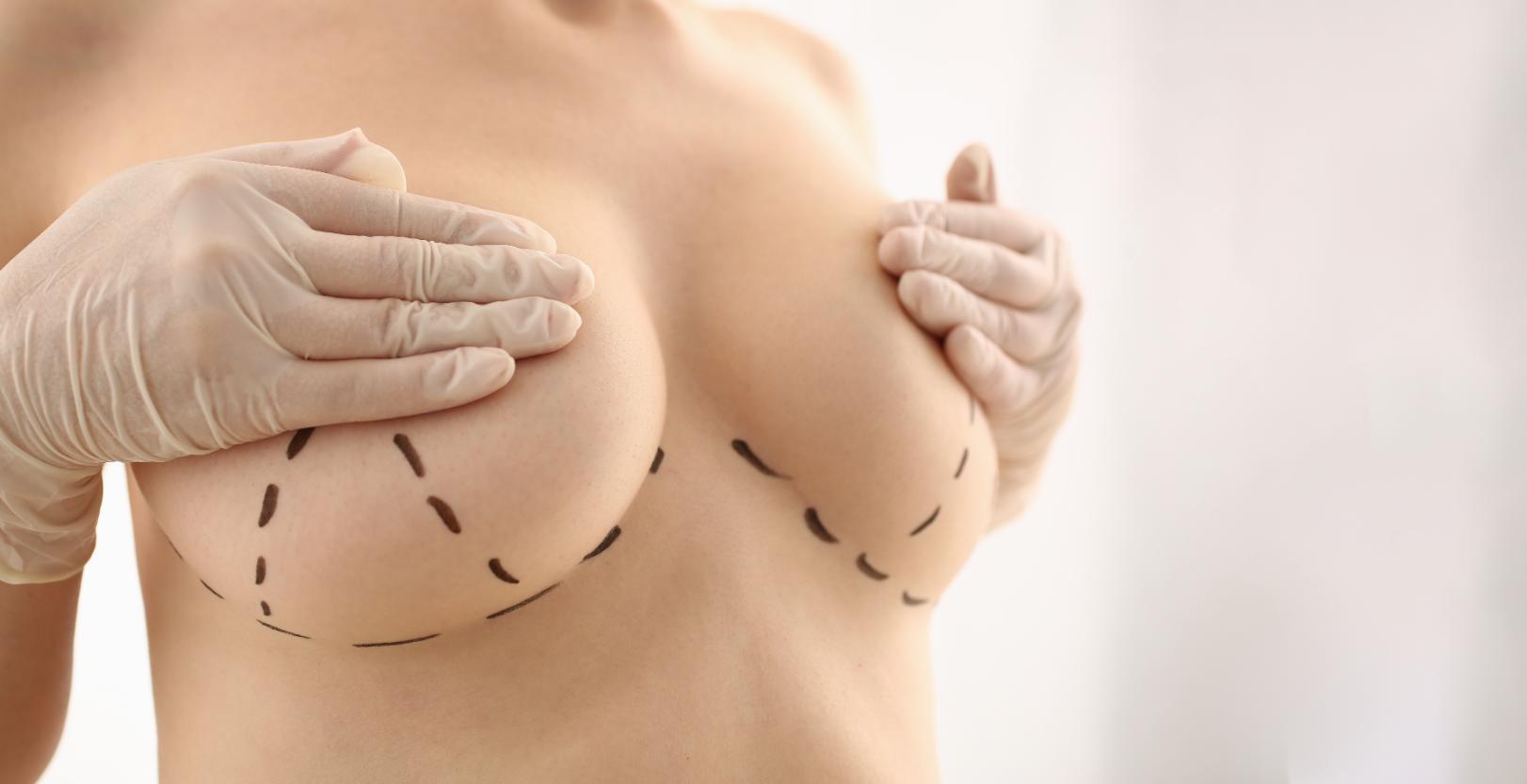
Not every fat cell injected during the procedure survives. A portion of it gets reabsorbed by the body in the weeks and months that follow, which is a completely normal biological response rather than a red flag.
The fat that does take hold develops its own blood supply and, from that point forward, behaves just like the rest of your body’s natural fat. Surgeons account for this by transferring more volume than the final target, essentially building in a cushion for what nature will inevitably take back.
Breast Fat Transfer After 5 Years: What Changes and What Doesn’t
Five years is long enough to separate a real result from a temporary one, which is exactly why this milestone matters so much to prospective patients.
For most people whose transferred fat survived that initial settling period, breast fat transfer results tend to remain fairly steady at the five-year mark, provided weight has stayed relatively consistent.
Since the fat is now indistinguishable from your body’s own tissue, it ages the way the rest of you does, gradually and naturally, rather than disappearing overnight or shifting dramatically without explanation.
Steady doesn’t mean untouched by time, though. Skin elasticity, gravity, and the ordinary effects of aging still apply, the same way they would with or without any procedure. It’s a subtle but important distinction worth keeping in mind.
The Everyday Factors Quietly Shaping Your Results
Surgical skill sets the stage, but daily life writes most of the story from there. A handful of ordinary factors do more to shape long-term outcomes than people expect.
- Weight changes: Because transferred fat behaves like natural fat, meaningful weight loss or gain will influence breast size and shape just as it would anywhere else on the body.
- Skin elasticity over time: Skin naturally loosens with age, which can subtly affect shape independent of any surgical history.
- Surgical technique: How fat was harvested, processed, and placed during the original procedure directly affects how much of it survives for the long haul.
- Smoking and lifestyle habits: Anything that restricts blood flow can compromise how well fat cells establish themselves, both early on and years later.
- Future pregnancies: Additional pregnancies can reshape breast volume on their own, separate from anything related to the original transfer.
None of these are things a surgeon can control once recovery is behind you, which is exactly why two patients with identical procedures can end up with noticeably different long-term stories.
A Full Decade Later: Does It Still Hold Up?
For anyone thinking even further down the line, it’s worth addressing the question that tends to come up once five years starts feeling like old news.
Breast fat transfer after 10 years generally continues along the same trajectory established at the five-year point, since the surviving fat has long since become part of the body’s natural tissue.
By this stage, the biggest wildcard usually isn’t the surgery itself, it’s simply life. A decade offers plenty of room for weight shifts, continued aging, and changes in overall body composition, all of which shape appearance independent of the original procedure.
Patients who’ve kept their weight relatively stable and maintained healthy habits tend to report results that still closely echo what they saw years earlier.
Fat Transfer vs. Implants: Which Ages Better?
Since these two paths get compared constantly, it’s worth putting their long-term timelines side by side rather than treating them as interchangeable.
Implants come with a more defined maintenance schedule. Manufacturers are clear that implants aren’t intended to last a lifetime and may eventually require replacement due to rupture or capsular contracture, regardless of how well the original surgery went.
Fat transfer skips that mechanical countdown entirely, since there’s no device to wear out, but it trades that predictability for more natural variability in how much volume ultimately sticks around.
Neither route wins outright. It’s really a choice between a device with a known lifespan and your own tissue with its own quiet, unpredictable rhythm.
Protecting Your Results as the Years Go By
While plenty of this comes down to biology outside anyone’s control, there’s still meaningful ground you can hold onto.
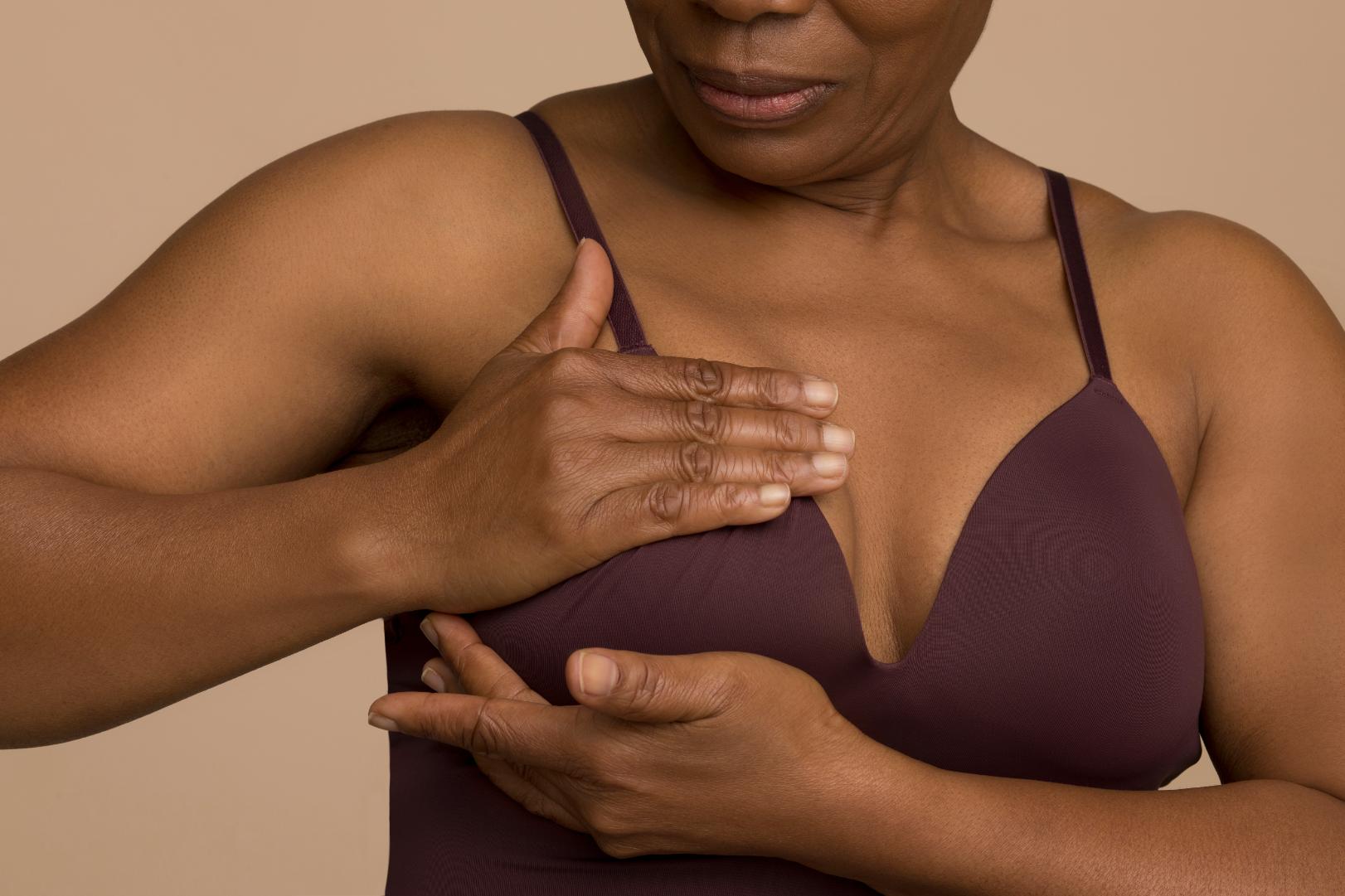
Keeping your weight relatively stable, steering clear of smoking, and following your surgeon’s aftercare guidance closely in the months after surgery all support stronger fat survival from the start.
Beyond that, checking in with your surgeon periodically over the years gives you a clearer read on how your results are evolving and whether any refinement is worth discussing down the line.
Thinking Years, Not Just Months, Ahead
Choosing fat transfer breast augmentation means picturing your results well past the recovery period and into the years that follow. At Pancholi Cosmetic Surgery in Las Vegas, NV, Dr. Samir Pancholi walks patients through what realistic long-term outcomes actually look like, not just the highlight reel, so every decision is made with the fuller picture in view.
If you’re ready to talk through what long-term results could look like for you, schedule a consultation with us today!